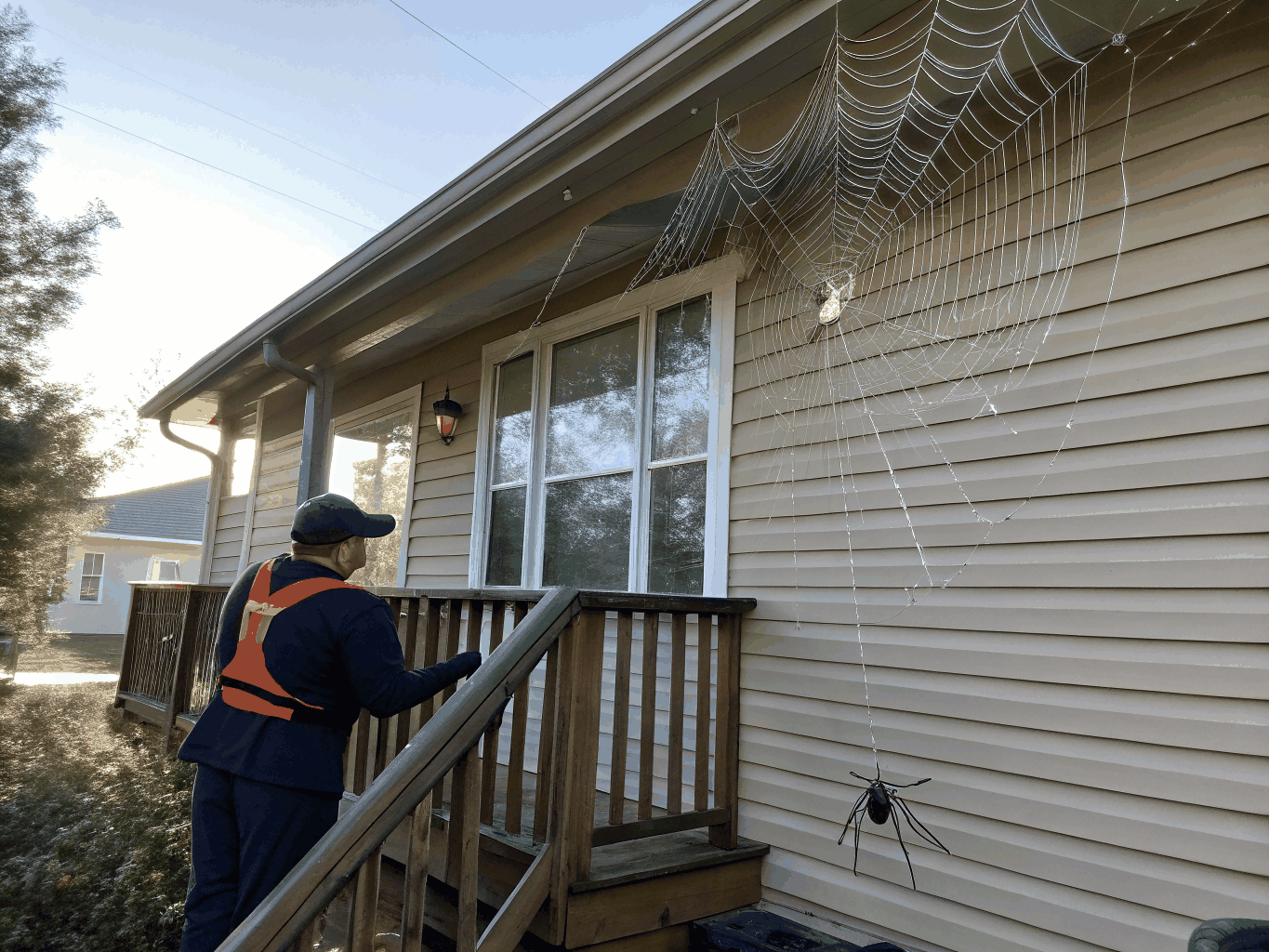
Secure YourHome Base
Expert Spider Control & Prevention — Raleigh & Durham, NC
Protection that's safe for your home and the environment.
Eco-Friendly Solutions
We use targeted, low-impact treatments that are tough on spiders but safe for your family and pets.
Long-Term Prevention
Our experts don't just clear webs; we treat exterior entry points, seal small cracks and holes, and target nesting sites to help keep pests from getting inside.
Local Expertise
Based in Durham, we understand the specific spider species native to North Carolina and how to manage them.
Common Home Spider Species
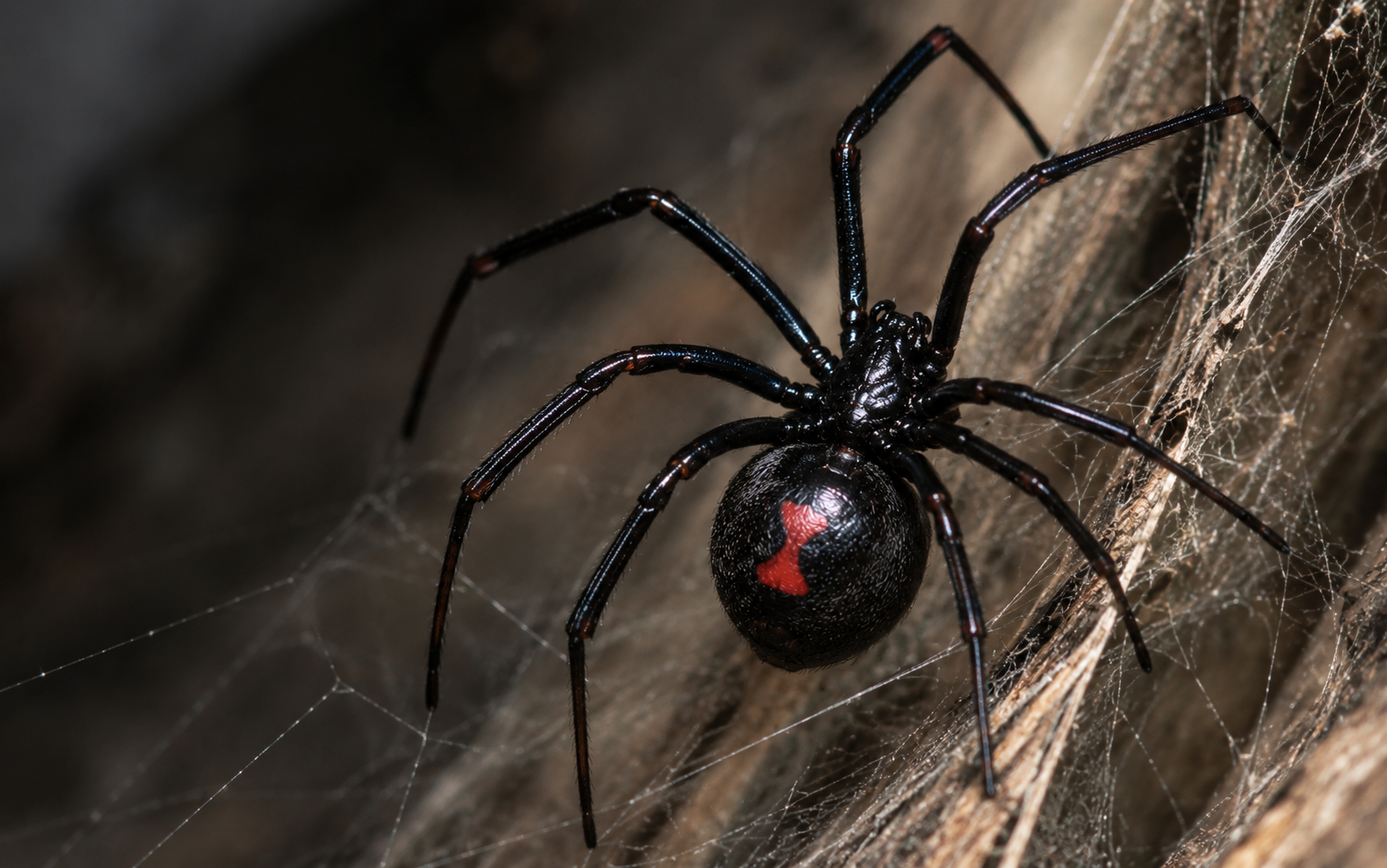
Black Widow
LatrodectusMarkers: Shiny black body with a distinct red hourglass on the abdomen.
Behavior: Reclusive, prefers dark, undisturbed areas like woodpiles.
Habitat: Garages, basements, and crawl spaces.
Safety: Venomous. Seek medical attention if bitten.
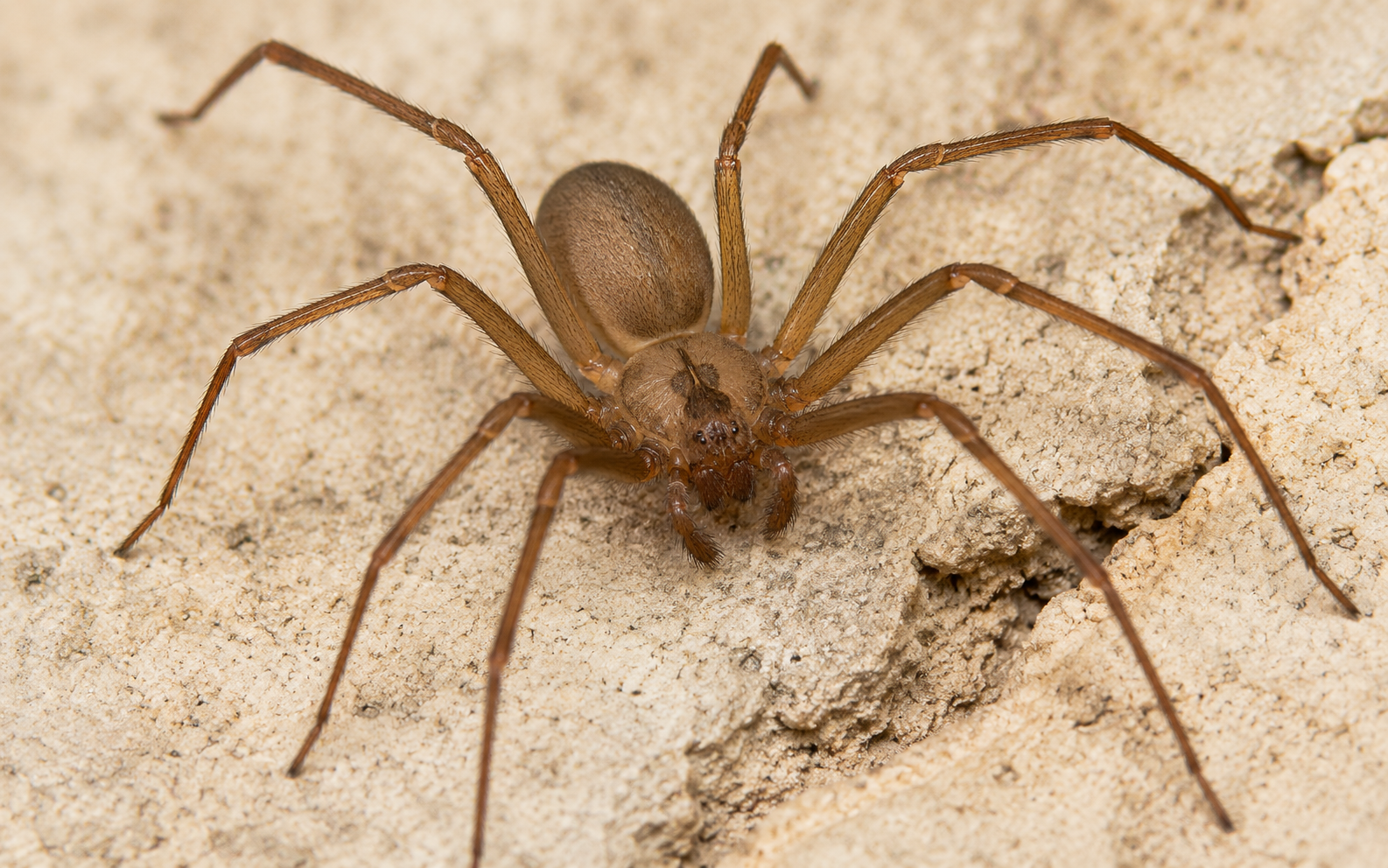
Brown Recluse
Loxosceles reclusaMarkers: Light to dark brown with a violin-shaped mark on its back.
Behavior: Hunts at night; hides in dry, secluded spots during the day.
Habitat: Attics, closets, and behind furniture.
Safety: Venomous. Necrotic bite requires immediate care.
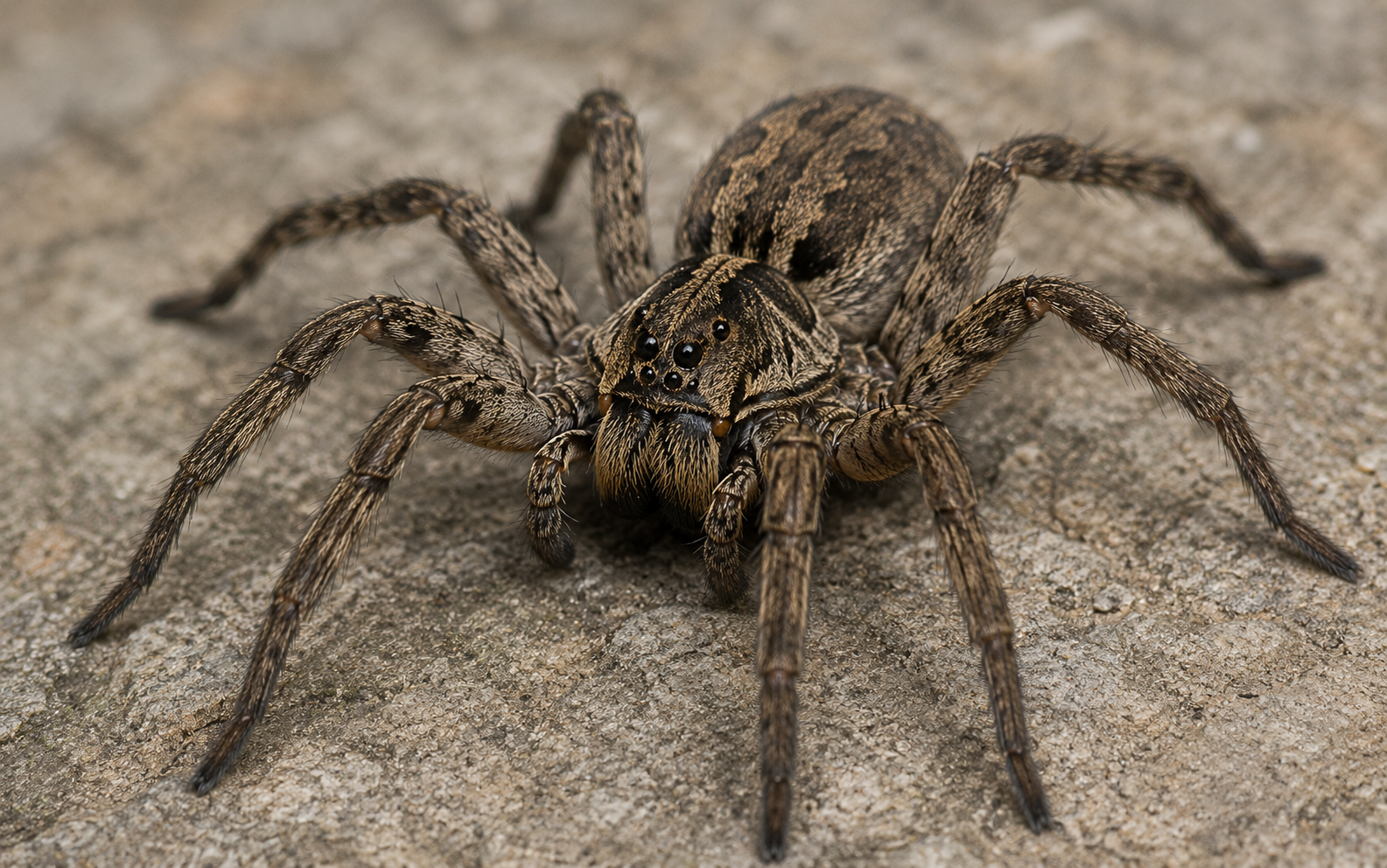
Wolf Spider
LycosidaeMarkers: Large, hairy, and grey-brown with distinct stripes.
Behavior: Active hunters that do not spin webs to catch prey.
Habitat: Gardens, floor-level corners, and under debris.
Safety: Non-aggressive but can bite if provoked.
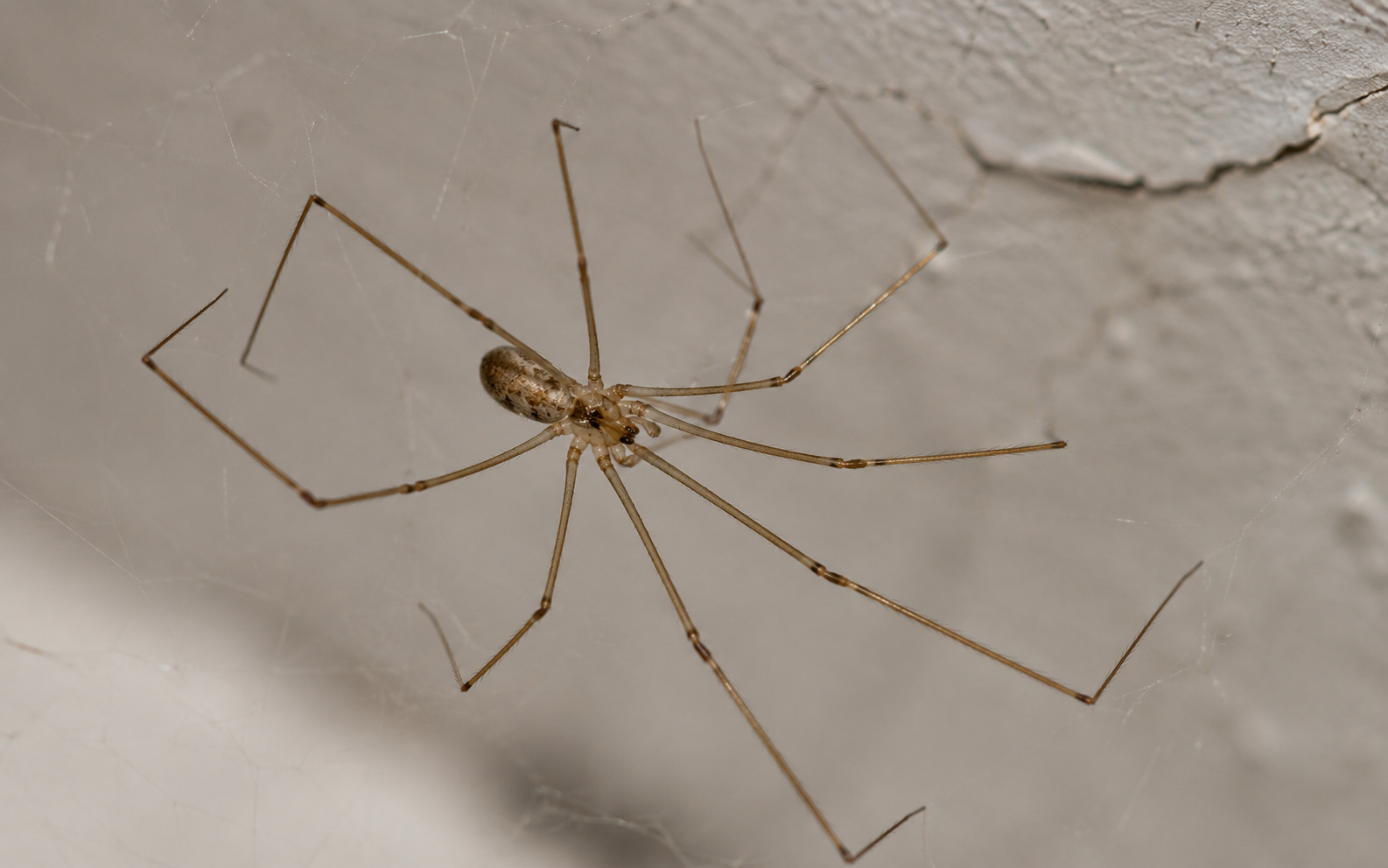
Cellar Spider
PholcidaeMarkers: Extremely long, thin legs with small, pale bodies.
Behavior: Vibrates its web rapidly when disturbed to confuse predators.
Habitat: High corners of ceilings, basements, and sheds.
Safety: Harmless to humans; effective at catching other pests.
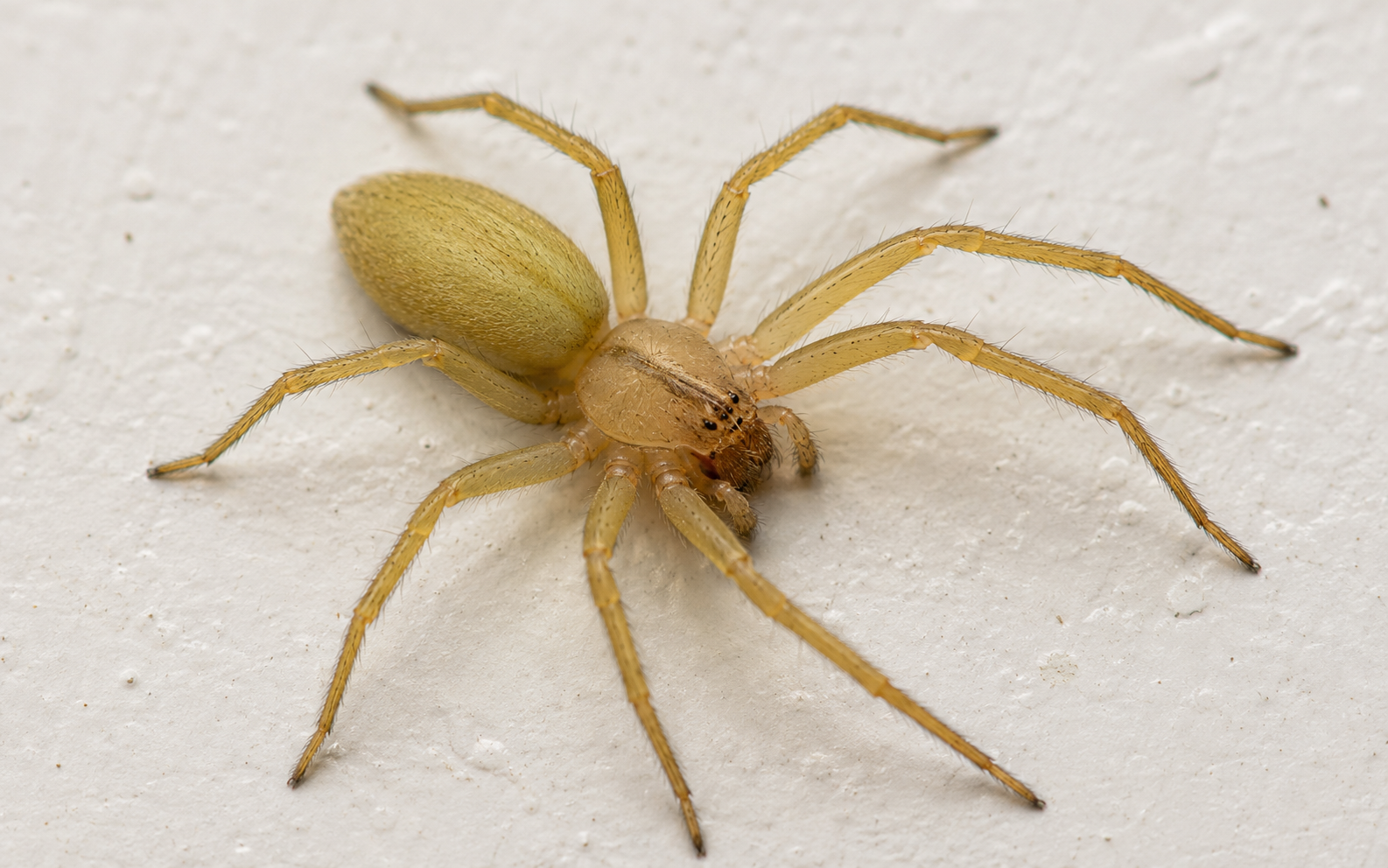
Yellow Sac Spider
CheiracanthiumMarkers: Pale yellow or beige with dark 'feet' and a slight sheen.
Behavior: Builds silk sacs for resting rather than catching prey.
Habitat: Wall-ceiling junctions and behind picture frames.
Safety: Bites can be painful and cause localized swelling.
FROM / INSPECTIONTO PROTECTION.

INITIAL INSPECTION
Our specialists perform a detailed sweep of your property's perimeter, eaves, and crawl spaces to identify active nesting sites and entry points.
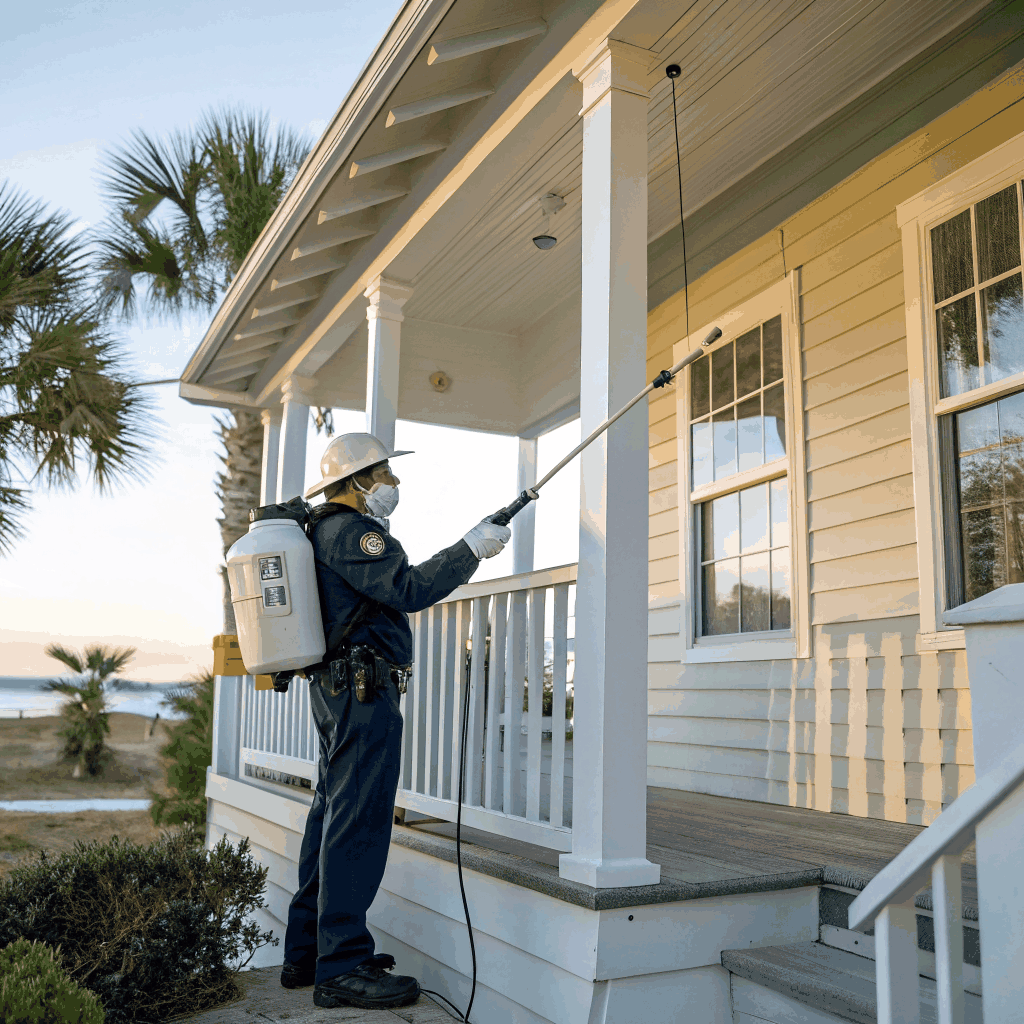
WEB REMOVAL
Manual de-webbing of all exterior surfaces using specialized brushes. This disrupts the spider's habitat and removes unsightly egg sacs immediately.
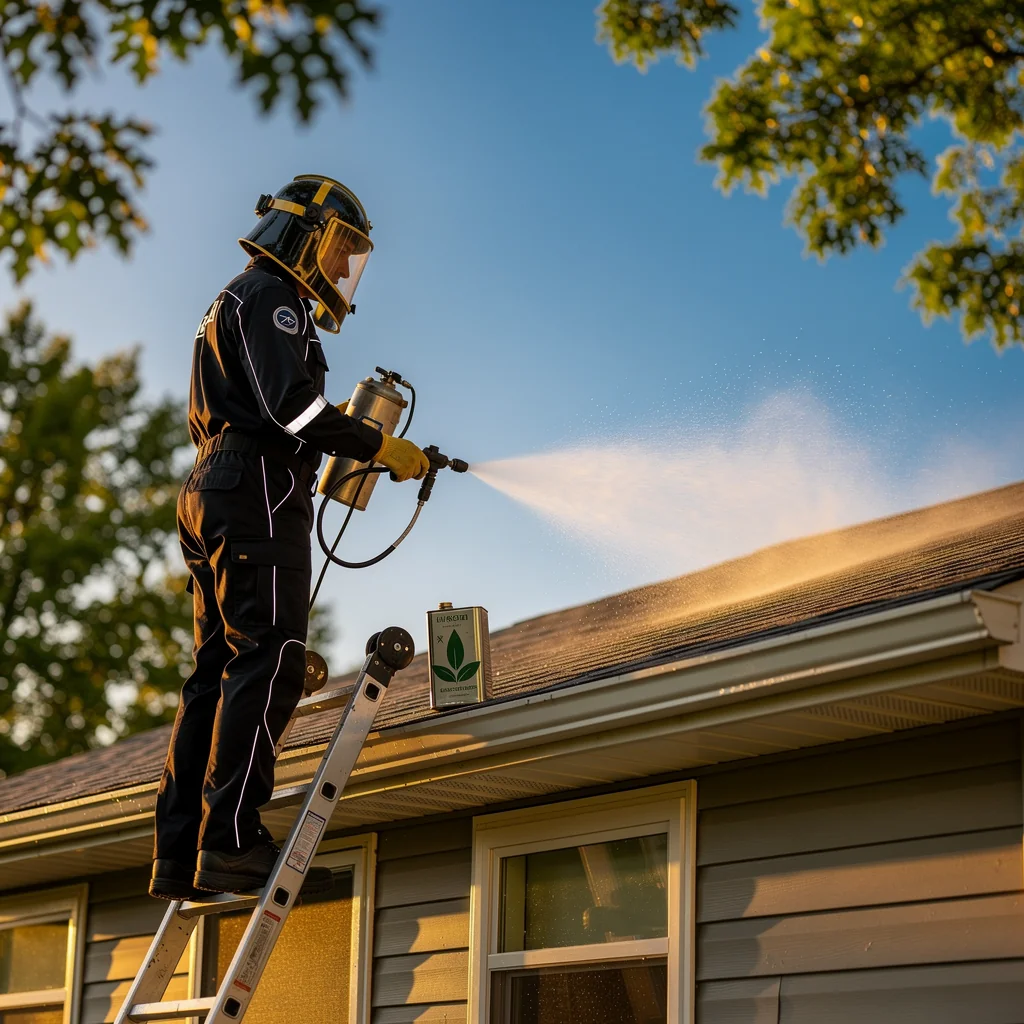
BARRIER APPLICATION
Application of a micro-encapsulated residual barrier around the foundation and potential entry points to prevent future arachnid migration.

INTERIOR TREATMENTS
Precision treatment of baseboards and corners where spiders hide, combined with sealing small cracks and holes to help keep pests from getting inside.

ONGOING PROTECTION
Regular quarterly visits to refresh the exterior barrier and adjust strategies based on seasonal spider behavior and local climate shifts.
Your home deserves a pest-free sanctuary.
We provide specialized protection for families across North Carolina. Schedule your comprehensive inspection today.